Meta Muse Voice Transcribe is Meta's new real-time speech-to-text model, launched on 1 September 2026, and it is aimed squarely at live transcription: it streams from 80-millisecond audio chunks, tags more than 20 speakers, handles 70+ languages and — per Meta's own benchmarks — hits roughly 3.1% word error rate at just 0.16 seconds of final-transcription delay. For anyone building voice-driven automations, meeting tools or content pipelines, it is the most serious new transcription engine since Whisper, and you can reach it today through the Meta Model API and Meta AI for Mac.
🔥 Get the Agent OS as a free bonus: AI Profit Boardroom members get the full Agent OS zip, prompt libraries, daily tutorials and weekly live coaching calls. → Get inside · Want AI SEO help 1-on-1? Book a free SEO strategy session →
Every figure below comes from Meta's official launch post, "Introducing Muse Voice Transcribe", published on the Meta research blog on 1 September 2026. Here is what it does, how it compares and where it fits in your automation stack.
Meta Muse Voice Transcribe: Key Features and Numbers
The design goal is streaming-first transcription — words appearing as people speak, not after they finish. The launch post details how that works:
- 80ms chunk processing. Audio is consumed in 80-millisecond chunks (12.5 Hz), so the model reacts almost immediately rather than waiting for sentence boundaries.
- Adaptive delay. The model dynamically varies how long it waits per word based on difficulty — easy words render instantly, ambiguous ones get a fraction longer. Meta reports about 3.1% word error rate at 0.16 seconds for final transcription, which it describes as sitting below the previous accuracy-versus-latency Pareto frontier set by competitors.
- Speaker diarization for 20+ speakers. The model labels who said what, scoring a 17.5% diarization error rate on standard benchmarks against a 21.1%–28.6% range for rival systems, per the launch post.
- 70+ languages, 25 extensively validated. The validated set includes Chinese, French, Hindi, Japanese, Spanish and Vietnamese, with seamless code-switching mid-sentence — valuable for multilingual meetings where existing tools fall apart.
- Long audio, no post-processing. Inputs over an hour are supported with no separate clean-up pass required.
- Context biasing. You can feed personal keywords and contact names so the model stops mangling product names and unusual spellings — a practical fix for the most annoying failure mode of automated transcription.
How You Can Access It
At launch, Meta lists four routes: the Meta Model API for developers, Meta AI for Mac for desktop dictation and meeting capture, Muse Code, and voice dictation across Meta AI applications. Notably, Meta's launch post does not disclose standalone API pricing, so budget-sensitive builders should check the Meta Model API console for current rates before committing a pipeline to it.
The endpointing support — detecting when a speaker has actually finished — matters more than it sounds. It is the difference between a voice agent that interrupts you mid-thought and one that responds at natural moments, and it is why streaming ASR engines rather than batch transcribers are becoming the front door of voice-driven agents.
If you want to build voice-powered AI workflows that save you hours every week, check out the AI Profit Boardroom → see the full automation library inside. Prefer tailored advice for your business first? Book a free SEO strategy session with Julian's team.
Where Meta Muse Voice Transcribe Fits in an Automation Stack
Transcription is rarely the end product — it is the trigger at the front of a chain. A streaming engine with speaker labels unlocks automations that batch transcription cannot do:
- Live meeting intelligence. With 20+ speaker diarization, a call becomes structured data in real time: who committed to what, which client raised which objection — ready to pipe into a CRM or task manager the moment the call ends.
- Voice-first agent control. At 0.16 seconds of delay, dictating instructions to an agent feels conversational. Pair it with a delegation setup like the one in the Hermes delegate task guide and speech becomes the interface for handing work to your agents.
- Content repurposing. Hour-plus podcasts and webinars transcribe in one pass with speakers tagged, ready for an LLM to slice into articles, clips and newsletters — the same pipeline logic covered in the Google Antigravity teamwork breakdown applies, with transcription as step one.
- Multilingual operations. Code-switching support means a Hinglish sales call or a Spanish-English support session yields one coherent transcript instead of two broken ones.
For orchestrating what happens after the transcript lands, the Agent OS resource covers how to structure agents so a transcription feed becomes just another input stream your automations act on.
A First Meta Muse Voice Transcribe Automation, Step by Step
Here is the simplest useful pipeline you can assemble around Muse Voice Transcribe, using the pieces Meta shipped at launch:
- Capture. On desktop, Meta AI for Mac gives you the zero-code route: it handles microphone capture and produces live transcripts without touching the API. For anything custom — call recordings, a web app, a voice agent — you stream audio to the model through the Meta Model API in those 80ms chunks.
- Structure. Because diarization is built in, the transcript arrives already split by speaker. Prepend your context-biasing list — client names, product terms, your own brand spellings — so the nouns that matter most come through clean on the first pass.
- Summarise and route. Feed the speaker-labelled transcript to an LLM with a fixed prompt: extract action items with owners, decisions made, and questions left open. This is ordinary prompt work, and the speaker labels are what elevate it from a wall of text to assignable tasks.
- Act. Push the extracted items wherever your work lives — task manager, CRM, email drafts — or hand them to an agent to execute directly. From here it is the same delegation pattern as any other agent trigger.
The build order matters: get step one producing reliable transcripts on real audio before investing in the downstream prompts, because transcription quality caps everything after it. Meta's endpointing and adaptive-delay features are precisely aimed at making that first step dependable in live conditions rather than just in clean recordings.
How It Compares With Google's Transcription Push
The closest rival move is Google's recent Gemini transcription rollout — we covered the free-tier route in the Gemini transcribe audio to text guide. The two target different jobs. Gemini's strength is batch accuracy inside the Google ecosystem, and its free tier is hard to beat on price for after-the-fact transcription. Muse Voice Transcribe is built for the live path: 80ms streaming, per-word adaptive latency and endpointing make it the natural choice when the transcript has to exist while people are still talking. Meta's benchmark claims — 3.1% WER at 0.16s, 17.5% diarization error against rivals' 21.1%–28.6% — are its own launch-day numbers, so treat them as the vendor's best case until independent testing lands; the Goldie Bench write-up covers how we track vendor claims against hands-on results across the model landscape.
What Meta Muse Voice Transcribe Signals About Where Voice AI Is Going
Zoom out and the launch tells you something about the direction of travel. Every major lab now treats speech as an input surface for agents, not a transcription afterthought: the latency target of 0.16 seconds only makes sense if the transcript is feeding something that responds in real time. Meta shipping this simultaneously through a developer API, a desktop app and its own dictation surfaces says the company expects voice capture to sit underneath everyday workflows rather than inside a dedicated transcription product. For automation builders the practical takeaway is to design pipelines where the transcript is an event stream — something your agents subscribe to and act on — instead of a document you process later. Teams that make that shift early will find that a large share of their manual note-taking, follow-up writing and task logging simply disappears into the pipeline described above.
Should You Build on It Yet?
If your workflow is live — meetings, calls, dictation, voice agents — Muse Voice Transcribe is worth testing this week: the latency and diarization numbers, if they hold, put it ahead of anything with public benchmarks, and the Mac app gives you a zero-code way to try it on real meetings today. If your workflow is batch — transcribing a backlog of recordings overnight — the case is weaker until pricing is published; free and cheap options already cover that job well, and local stacks like the ones in the Ollama OpenCode guide and the MiniMax M3 free route keep the marginal cost of batch AI work near zero. Either way, the direction is clear: voice is becoming a first-class input for AI automation, and with releases like this and the routing improvements in the OmniRoute 3.8.50 update, the tooling for it is maturing fast.
If you want step-by-step systems for turning tools like Muse Voice Transcribe into income-generating automations, check out the AI Profit Boardroom → join the Boardroom here. And if you would like a personal roadmap, book a free SEO strategy session — it costs nothing and you leave with a plan.
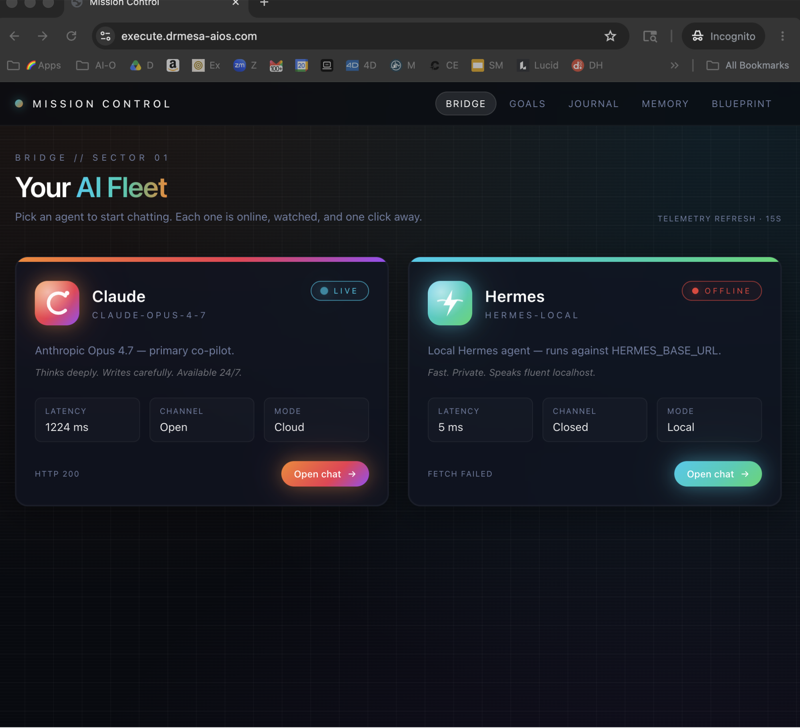
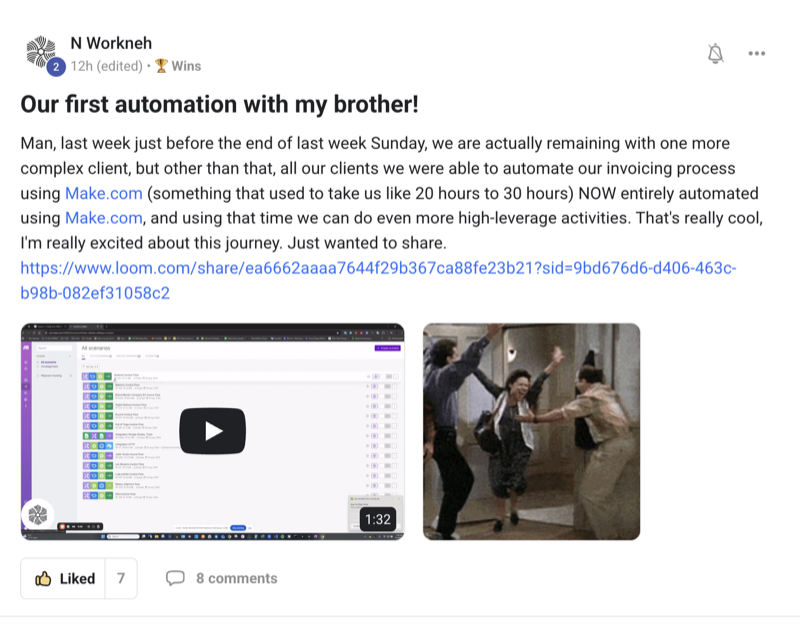
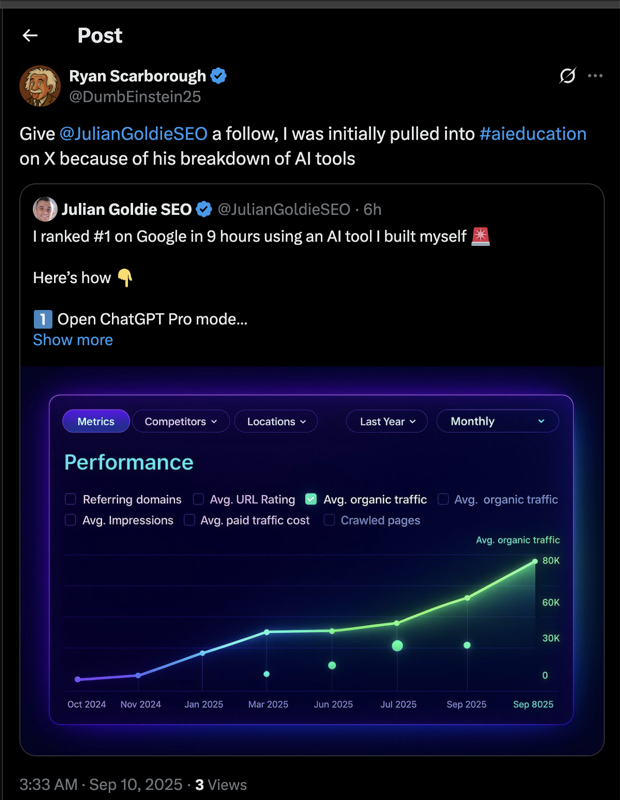
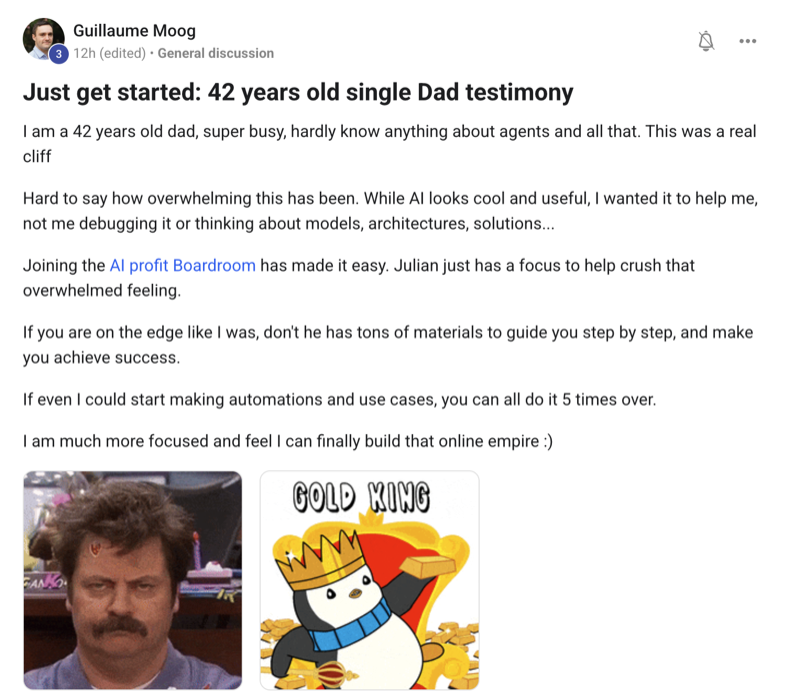
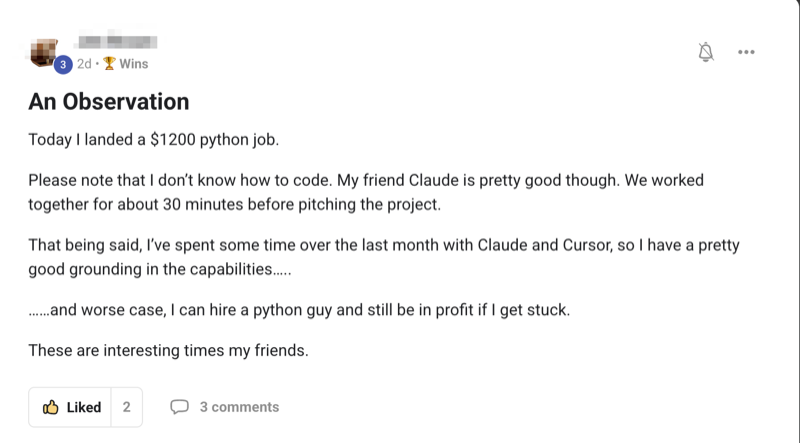
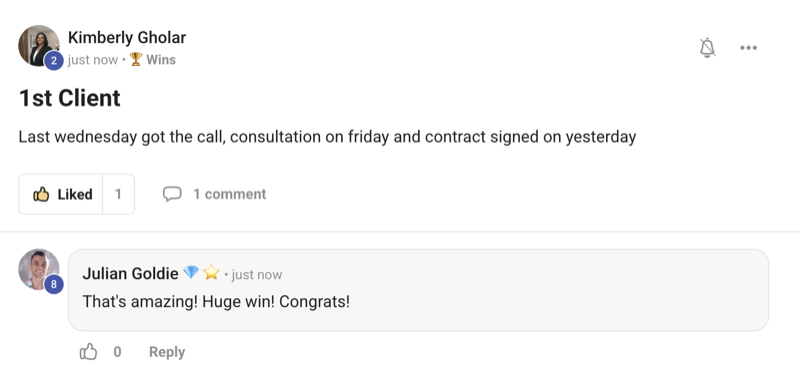
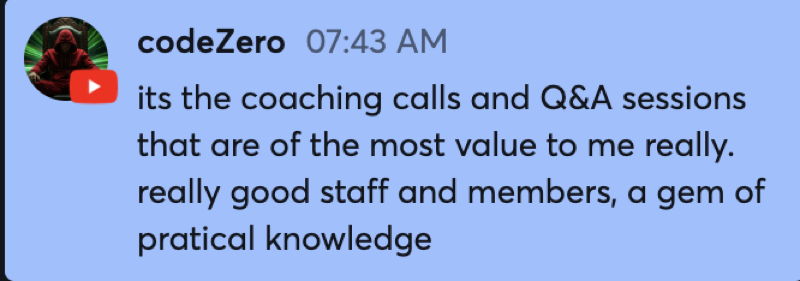
Real wins from inside the AI Profit Boardroom
See all 3,000+ members →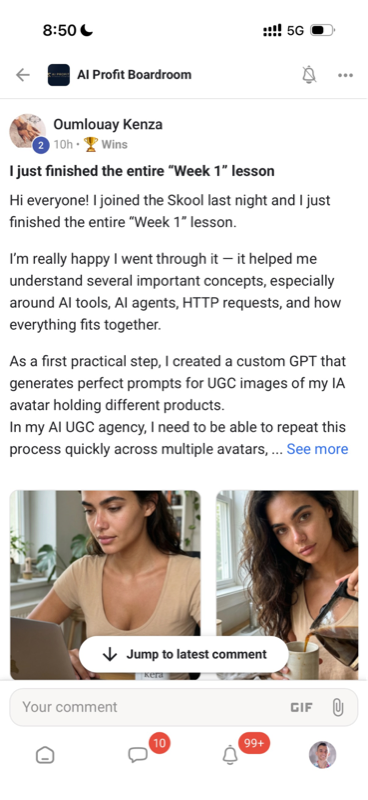


Ready To Join The #1 AI Community?
Join 3,600+ entrepreneurs inside the AI Profit Boardroom. Get 1,000+ plug-and-play AI agent workflows, daily coaching, and a community that holds you accountable.
Join The AI Community →7-Day No-Questions Refund • Cancel Anytime

Wait — before you leave
Get the entire AI Profit Stack for $59/mo locked
- 🎯 1,000+ done-for-you AI agent workflows
- 📅 5 live coaching calls per week with me
- 👥 3,000+ AI operators inside
- 🛡️ 7-day refund + 30-day ROI guarantee