Type /diff in fullscreen mode and the new Claude Code fullscreen diff panel opens beside your conversation, showing your uncommitted changes live as Claude edits your files — toggle it off with the same command. The panel arrived in Claude Code v2.1.260, per the official Claude Code changelog on GitHub (Releasebot's Anthropic tracker dates the release to 4 September 2026), and it changes the day-to-day feel of supervising an agent more than almost any feature this year: instead of trusting a stream of edit notifications, you watch the actual diff grow in real time next to the chat.
📺 Watch: Claude Code Just Got a HUGE Customization Upgrade
🔥 Get the Agent OS as a free bonus: AI Profit Boardroom members get the full Agent OS zip, prompt libraries, daily tutorials and weekly live coaching calls. → Get inside · Want AI SEO help 1-on-1? Book a free SEO strategy session →
Before this shipped, reviewing what Claude had done to your working tree meant either running git diff yourself in another terminal, waiting for the end-of-turn summary, or opening your editor's source control view and tabbing back and forth. All three break your attention loop. The diff panel keeps review and conversation in one screen, which is exactly where an automation workflow wants it.
How the Claude Code Fullscreen Diff Panel Works
The changelog entry is short and precise: v2.1.260 added a diff panel that opens beside the conversation in fullscreen mode and shows your uncommitted changes as Claude edits, toggled with the /diff command. Unpack that and three details matter for your workflow:
- It lives in fullscreen mode. The panel is part of Claude Code's fullscreen terminal interface, not a separate window. If you normally run the classic inline view, you enter fullscreen to get the side-by-side layout.
- It tracks uncommitted changes. What you are looking at is the live state of your working tree — every file Claude touches shows up as it happens, not after the turn ends. Anything already committed is out of scope, which makes the panel a natural staging review before you commit.
- It is a toggle. The /diff command opens it, and the same command dismisses it when you want the conversation back at full width.
Anthropic has kept iterating on it since. The v2.1.268 release notes from 11 September 2026 say a /diff selection now shows inside the prompt input, so you can point Claude at a specific change you are querying, and the same release made fullscreen repaints faster when adding or removing prompt lines. The panel is clearly not a one-off experiment — it is becoming the review surface for the terminal.
Turning the Diff Panel Into a Review Workflow
The obvious use is passive monitoring, and that alone is worth the toggle: run a refactor, keep the diff panel open, and you will spot the moment Claude wanders into a file it should not touch — long before the end-of-turn summary would have told you. But the panel earns its place in an automation workflow when you make it an active checkpoint:
- Open the panel before you delegate anything heavy. Kick off the task with /diff already up so the whole change accumulates in view.
- Review at natural pauses. When Claude stops to ask a question or finishes a step, scan the accumulated diff instead of the chat transcript — the working tree does not exaggerate, summaries sometimes do.
- Interrogate specific hunks. With a selection referenced in the prompt input, ask why a change was made or tell Claude to revert just that piece.
- Commit in slices. Because the panel only shows uncommitted work, committing accepted changes clears the view and leaves the panel showing only what still needs judgement.
That last habit is the quiet superpower. The fullscreen diff panel effectively gives your terminal what code reviewers have always had in web interfaces: a shrinking pile of unreviewed change rather than a growing wall of history.
If you want agent workflows where review checkpoints like this are already built in — the full Agent OS zip, prompt libraries, daily tutorials and weekly live coaching — check out the AI Profit Boardroom. Want a second pair of eyes on your own automation stack first? Book a free SEO strategy session and walk through it 1-on-1.
Fullscreen Mode, Flicker and Why the Panel Lives There
The diff panel is a fullscreen-mode feature, and fullscreen mode itself has been on a long journey. The earlier write-up on Claude Code no-flicker mode covers the foundation: the alternate screen buffer plus synchronised output rendering approach that stopped the terminal flashing during heavy streaming. That rendering base is what makes a live side panel viable at all — repainting a diff next to a streaming conversation would have been flicker soup on the old renderer. The v2.1.268 notes continuing to speed up fullscreen repaints show the same investment continuing.
If you have avoided fullscreen mode out of habit, the diff panel is the feature that justifies switching. The conversation, the prompt input and the state of your working tree in one stable screen is simply a better supervision cockpit than the inline view — and once you are reviewing diffs continuously, you will interrupt bad turns earlier and burn fewer tokens on wrong directions. The guide on reducing Claude Code token usage makes the same point from the cost side: catching overbuilt work early is one of the biggest savings available, and a live diff is the earliest possible catch.
📺 Watch: Run Claude Code Free Forever, Here's How!
What Else Shipped Around the Diff Panel
Two neighbouring additions from the same v2.1.260 release round out the picture, per the changelog:
- Prompt-cache miss diagnostics — /cost and the status line's prompt cache field now include a likely cause when the cache misses, such as tool definitions or the system prompt changing, or the session idling past the cache TTL.
- Headless reach — /reload-plugins became available to headless sessions, and a text form of the advisor command reached the desktop app and other headless surfaces.
The pattern across these releases is Claude Code maturing from a chat loop into an operations console — visibility features first, and the diff panel is the most visible of the lot. If you are earlier in the journey, start with the fundamentals in learn Claude Code and layer these workflow features on once the basics are comfortable.
Common Questions About the Claude Code Diff Panel
Which version do I need?
Claude Code v2.1.260 or newer, per the official changelog. Update first if /diff does not respond — on older builds the command simply does not exist as a panel toggle.
Does it show committed changes?
No. The panel shows uncommitted changes only — it reflects your working tree as Claude edits. Once you commit, those changes leave the panel, which is precisely what makes commit-in-slices review work.
Does it work outside fullscreen mode?
The changelog describes the panel as opening beside the conversation in fullscreen mode. The inline view keeps its usual behaviour; the side-by-side layout is a fullscreen feature.
Does the panel cost tokens?
Rendering the diff is a client-side display concern, not conversation content. What costs tokens is what you ask Claude to do about a diff — and paradoxically, active review usually lowers your spend by killing wrong turns early.
How does this fit a bigger agent stack?
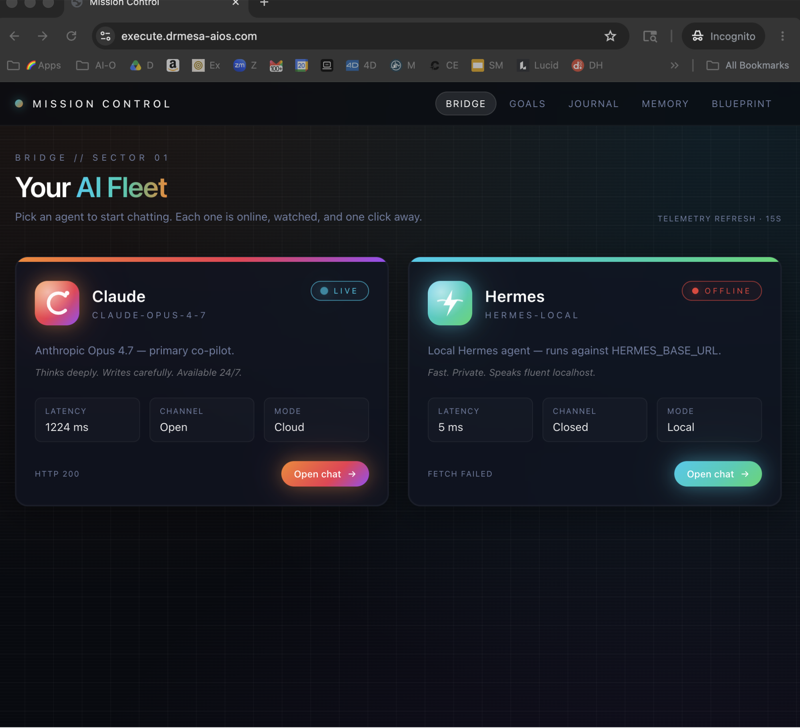
Review surfaces become more important, not less, as you scale up. Whether you run Claude Code alongside a Hermes setup — see Claude with a Hermes agent — or compare harnesses like the DeepSeek harness vs Claude Code match-up, the discipline transfers: an agent you can watch is an agent you can trust with more. The agentic OS approach to Claude Code goes deeper on structuring that trust, and Agent OS is the full operating-system layer around it. For picking which model sits underneath it all, the Goldie Bench write-up covers how the current options compare in hands-on tests.
Verdict: The Best Supervision Upgrade of the September Releases
The Claude Code fullscreen diff panel is a small command with a large behavioural effect. It moves review from something you do after the agent finishes to something that happens while it works, in the same screen, at zero extra token cost. Combined with the prompt-input selection referencing from v2.1.268, the loop tightens further: see a suspect hunk, reference it, ask, fix, commit, continue. If you delegate real work to Claude Code and you are not running with /diff open, you are supervising with one eye shut.
If you want the complete automation playbook — Agent OS, tuned settings, prompt libraries, daily tutorials and weekly live coaching calls — check out the AI Profit Boardroom → get inside here. Or if you would like your current setup reviewed personally, book a free SEO strategy session and bring a diff you are proud of.