A Hermes second brain beats manual note-taking by a meaningful margin once you actually use both, and after running them side by side for six months I've got the honest comparison ready. This post covers what manual gets right, what automatic gets right, and when to use each.
I ran both setups in parallel for six months — manual notes typed by hand into Obsidian, then the automated second brain combining OMI, Obsidian, and Hermes. This post is the head-to-head comparison covering the time saved, the volume captured, and the honest verdict on which one to pick.
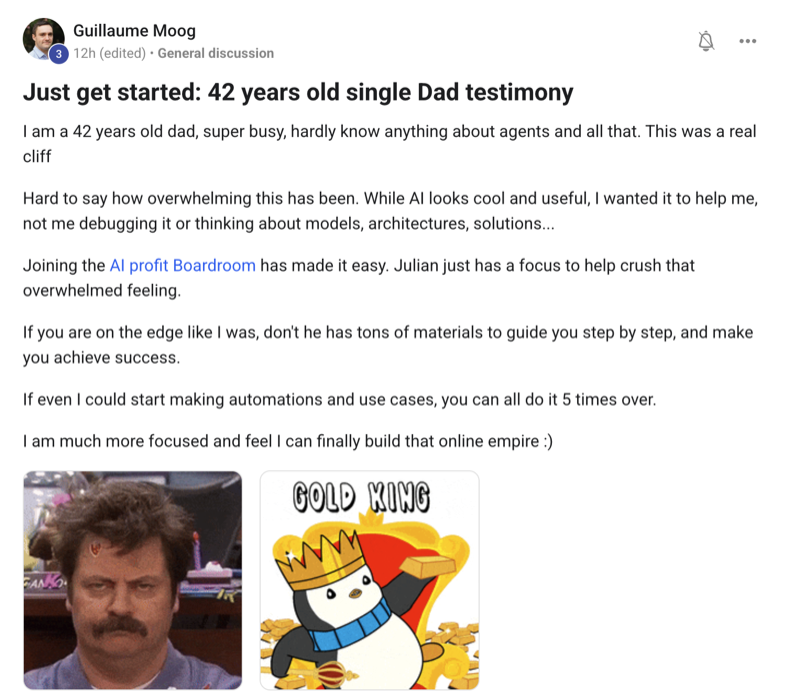
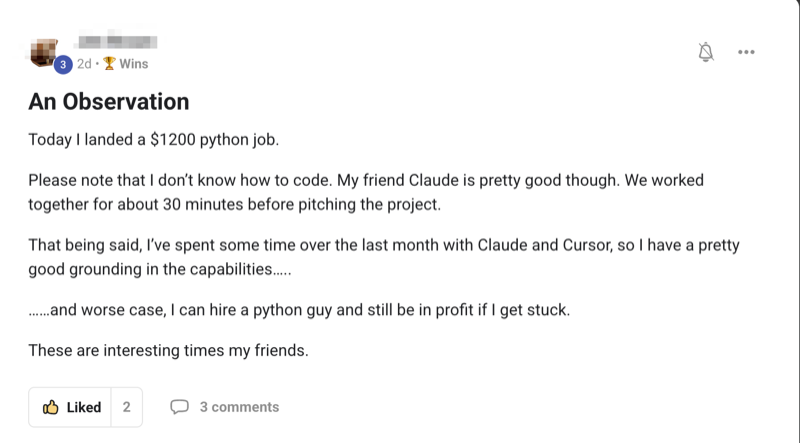
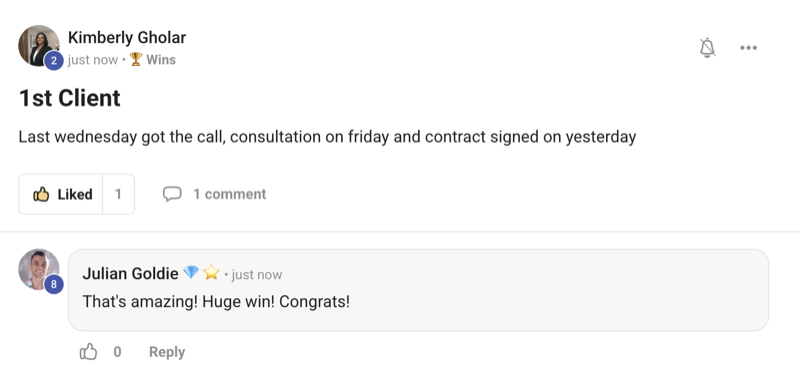
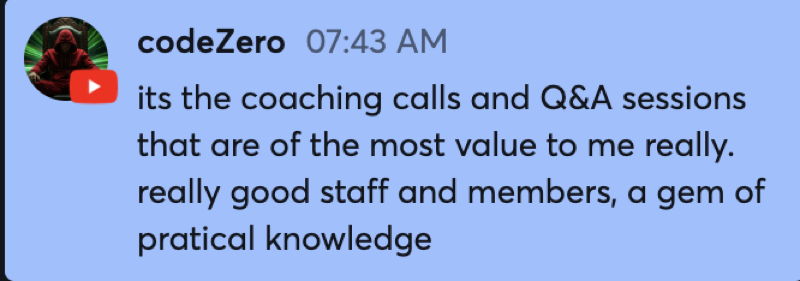
🔥 Want my Hermes second brain stack? Inside the AI Profit Boardroom, I share my OMI + Obsidian + Hermes config + 2-hour Hermes course + weekly live coaching. 3,000+ members building real memory systems. → Get the stack
Hermes Second Brain — Quick Verdict
The Hermes second brain wins on volume of memories captured, automatic capture during meetings and work without effort, cross-context memory across screen, voice, and decisions, and time saved daily compared to manual note-taking.
Manual notes still win on deeply curated specific knowledge, notes you actually want to revisit deliberately, reflection-style writing where the act of writing matters, and sensitive content you don't want recorded.
For most operators, hybrid wins both ways. Run automatic capture for breadth and add manual notes for depth where it matters most.
Time Comparison
Here's what a typical week looks like across both approaches.
With manual notes alone, you spend 30-60 minutes per day taking notes during and after meetings, plus another 30-60 minutes per week organising them into your vault structure. Total time investment is roughly 5-10 hours per week if you stay disciplined about capture.
With the Hermes second brain running automatically, you spend 0 minutes capturing because OMI handles it in the background, plus 10-20 minutes per week reviewing and cleaning the captured memories. Total time investment drops to roughly 1-2 hours per week.
Net time saved is 4-8 hours weekly, which compounds dramatically over a year of running both setups in comparison.
Volume Comparison
The volume gap is even bigger than the time gap. With manual notes, you capture maybe 50-100 notes per week if you're genuinely disciplined about it. With the Hermes second brain, you capture 200-500+ memories per week automatically without any extra effort.
OMI captures things you'd never bother to write down — small details from passing conversations, casual decisions made in calls, observations that didn't seem important at the time. That's where the value compounds, because the small details add up to a much richer context for the agent to work with.
Quality Comparison
Let me be honest about the quality trade-off because it's real.
Manual notes have higher quality per note because you're consciously deciding what to write and how to structure it. They tend to be more reflective and structured because the act of writing forces clarity. They're curated for value rather than captured by default.
Automatic capture has lower per-note quality because OMI grabs everything indiscriminately. There's more noise mixed in with the signal, and you'll see capture artefacts you'd never have written manually. OMI's structuring helps clean this up, but it doesn't eliminate the noise entirely.
For Hermes' purposes, the volume of automatic capture beats the curation of manual capture in most cases. Hermes can sift through volume to find what matters, but it can't write notes you didn't take in the first place.
What OMI Captures That Manual Misses
This is the killer feature that makes the second brain worth setting up. The things OMI catches automatically are exactly the things manual notes miss.
It catches casual decisions you made on a call but never wrote down. It catches what you saw on a competitor's site while you were browsing. It catches quick thoughts you had while working that you would have forgotten by the end of the day. It catches tasks mentioned in passing that never made it onto a formal to-do list. It catches goals you stated out loud during conversations but never typed up.
Manual notes capture what you remember to write down, while OMI captures what actually happens in your day. The gap between those two is bigger than most people realise until they run both in parallel.
Watch The Setup
Here's the OMI plus Obsidian walkthrough covering the same memory pattern from a different angle.
That covers the wiki side specifically — how to structure your memories Karpathy-style for maximum reuse.
Cost Comparison
Both approaches are essentially free in monetary terms. Manual notes using Obsidian alone cost £0/month. The Hermes second brain combining OMI plus Obsidian plus Hermes is also £0/month for the use case I'm describing.
Cost isn't the differentiator between these two approaches. Time is the actual currency that matters.
Privacy Trade-Off
Let me give you the honest take on privacy because it matters.
Manual notes are fully private in the sense that only what you write actually goes into the vault. OMI captures more, including things you might not have wanted captured if you'd thought about it in the moment.
For privacy-sensitive work, you can mitigate this by excluding specific apps from OMI capture, disabling the microphone during private calls, and using selective recording for sensitive sessions. For most operators, the privacy trade-off is acceptable when you set the right boundaries.
What Manual Notes Are Still Best For
There are three areas where manual notes win clearly over automatic capture.
1 — Strategic thinking
Reflective writing about goals, strategy, and big decisions benefits from the slow act of typing. OMI captures the conversation around strategy but not the deep thinking you do alone, and that thinking is where the real strategic clarity lives.
2 — Client-specific notes
Confidential client information you don't want recorded should be typed directly into Obsidian rather than captured automatically. This keeps the sensitive material in a controlled stream you can audit later.
3 — Ideas you want to revisit deliberately
Quick captures get lost in the volume of everything else OMI grabs. Important ideas deserve their own dedicated note where you'll actually find them again rather than digging through hundreds of casual captures.
Hybrid Hermes Second Brain Approach (What I Actually Do)
Let me be straight about what I run myself rather than recommend something I don't use. I run both approaches in parallel, and the combination produces noticeably better results than either alone.
OMI captures everything passively in the background while I work. I add deep manual notes for strategic thinking and important decisions. Hermes pulls from both streams when answering my questions or drafting work.
Best of both worlds — the volume of automatic capture plus the depth of intentional manual notes.
For broader Hermes context including multi-agent setups, swarms, and the dashboard, this walkthrough covers the bigger picture.
That's the broader Hermes 2026 framework, and the second brain plugs into all of it as the memory layer.
What Hermes Can Do With Both Together
Every Hermes query reads from both your OMI memories (auto-captured) and your manual notes (curated). The agent gets the full picture combining passive context from OMI with intentional context from your manual notes.
This is closer to having a second me than a virtual assistant — the agent knows what I've been doing through OMI capture, and it knows what I'm thinking about through my manual notes. The combined context produces dramatically better answers than either source alone.
Daily Reality Of Each
Here's what each approach actually feels like day to day.
A manual-only day involves spending real time taking notes during and after meetings, hoping you capture the important bits, and referring back to your notes when you remember to. There's a constant low-level effort of choosing what to write down.
A second brain day involves working normally without thinking about capture, OMI handling the background work automatically, Hermes using the memories without you having to ask it to, and adding manual notes only for the deep thinking moments. The second day is much less effortful and the output is richer.
What I'd Tell Someone Choosing
If you're new to AI memory setups, here's the phased approach that works in practice.
1 — Start with Obsidian + manual notes
Get used to having a vault and build the habit of reviewing notes weekly. The tooling is simpler and the upfront learning is minimal, which lets you focus on building the memory habit before adding automation.
2 — Add OMI after 1-2 weeks
Once you understand the vault and the structure, layer in automatic capture. You'll have the right mental model to evaluate what OMI captures and what to ignore.
3 — Add Hermes integration last
Once you have memories worth using, point Hermes at the vault and let it start drawing context from your notes. By this point you have enough captured material that Hermes can produce useful outputs immediately.
This phased approach prevents the overwhelm that hits people who try to set up all three layers on day one.
🚀 Want guided second brain setup? The AI Profit Boardroom has weekly live coaching where I'll help you set up the OMI + Obsidian + Hermes stack on a screen-share. Plus the 2-hour Hermes course + 3,000+ members. → Join here
Common Decision Mistakes
There are three mistakes I see people make when choosing between these approaches.
1 — Going OMI-only
You miss the deep thinking notes that only happen when you sit down and write deliberately. Always layer in manual notes for the strategic stuff.
2 — Going manual-only
You miss the volume of small details that OMI captures effortlessly. Hermes can't use what you didn't write, and the manual capture rate is too low to give the agent rich context.
3 — Recording everything in OMI
Privacy and signal-to-noise both suffer when you let OMI capture indiscriminately. Be selective about which apps and contexts you let OMI listen to.
Real Numbers From My Setup
After 4 weeks of running the Hermes second brain, the numbers tell a clear story. I've captured 1,847 OMI memories automatically. I've added 246 manual notes for deeper thinking. Hours saved daily are roughly 30 minutes versus the manual-only approach, and Hermes context quality is dramatically better.
Volume plus curation beats either alone — that's the verdict from the real numbers rather than the marketing.
When To Skip Automatic Capture
There are some situations where manual-only is the right call regardless of the productivity gain.
A therapist or medical practitioner with strict privacy obligations should stick to manual capture only. A lawyer with privileged client information shouldn't let OMI listen during client work. Anyone in a regulated industry where audio capture is restricted by law has to stay manual.
For everyone else, adding OMI on top of manual notes is the right move.
What Hermes Can Do Differently With Memory
The difference between Hermes with and without memory is dramatic in practice.
Without memory, asking Hermes "what should I work on today?" produces generic advice that could apply to anyone. With the second brain, the same question references your specific projects, goals, deadlines, and constraints to produce an actually useful answer.
That's the gap — the agent goes from chatbot to actual personal assistant once it has access to your real context.
FAQ — Hermes Second Brain Vs Manual
Should I switch from manual to second brain?
Don't switch — add OMI on top of your existing manual notes. Run both and let them complement each other.
Will Hermes ignore my manual notes if OMI is running?
No — Hermes reads everything in the vault and weights manual notes equally with OMI captures.
Is the second brain better than ChatGPT memory?
Yes for portability and privacy. ChatGPT memory is locked to ChatGPT, while your Obsidian vault works with any agent.
How much memory can Hermes use at once?
Limited by your model's context window, but Hermes pulls only the relevant memories per query rather than dumping everything in.
Can I delete OMI memories?
Yes — they're plain markdown files in your vault, so you can delete or edit any of them at any time.
Will my notes work with Claude Desktop too?
Yes — the same Obsidian vault works with Claude, OpenClaw, and any other local agent that supports Obsidian.
Should I review the vault regularly?
Once a week is plenty — look for patterns and delete noise to keep the signal clean.
Related Reading
- How To Setup Hermes Agent — Hermes install.
- Hermes Agent Workspace — broader Hermes UI.
- OpenClaw Memory Persistence — same memory on OpenClaw.
📺 Video notes + links to the tools 👉
🎥 Learn how I make these videos 👉
🆓 Get a FREE AI Course + Community + 1,000 AI Agents 👉
A Hermes second brain isn't a replacement for thinking — it's a replacement for the boring parts of memory keeping. Run both manual and automatic in parallel for the best results, and the agent quality will compound month over month.